Event Coordination and Safety
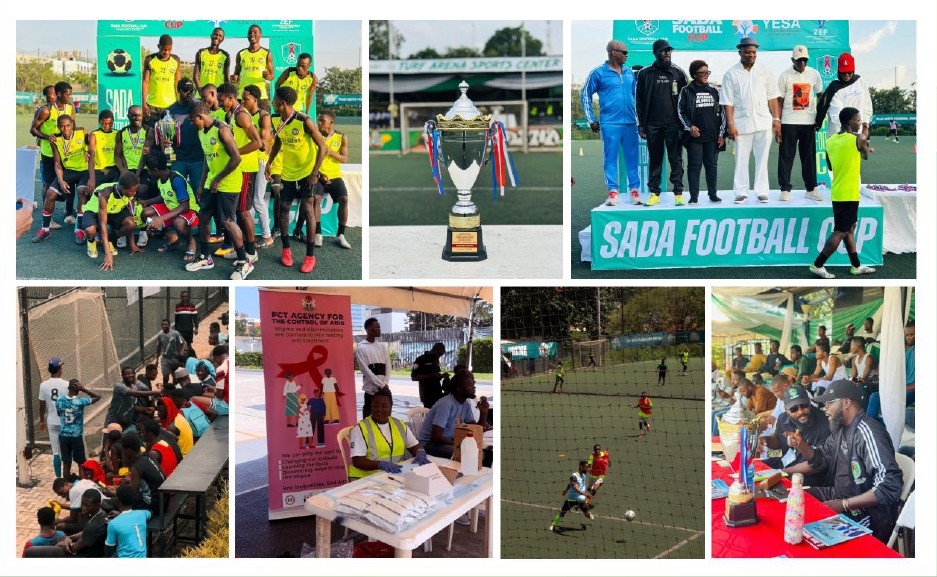
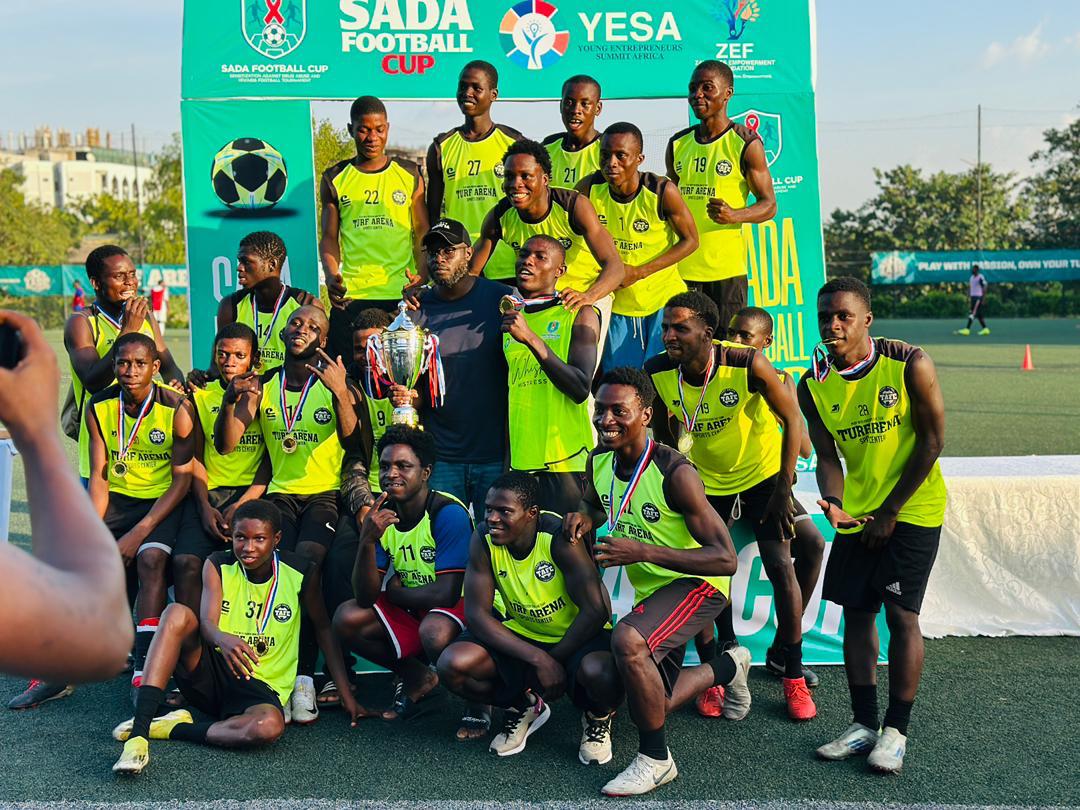
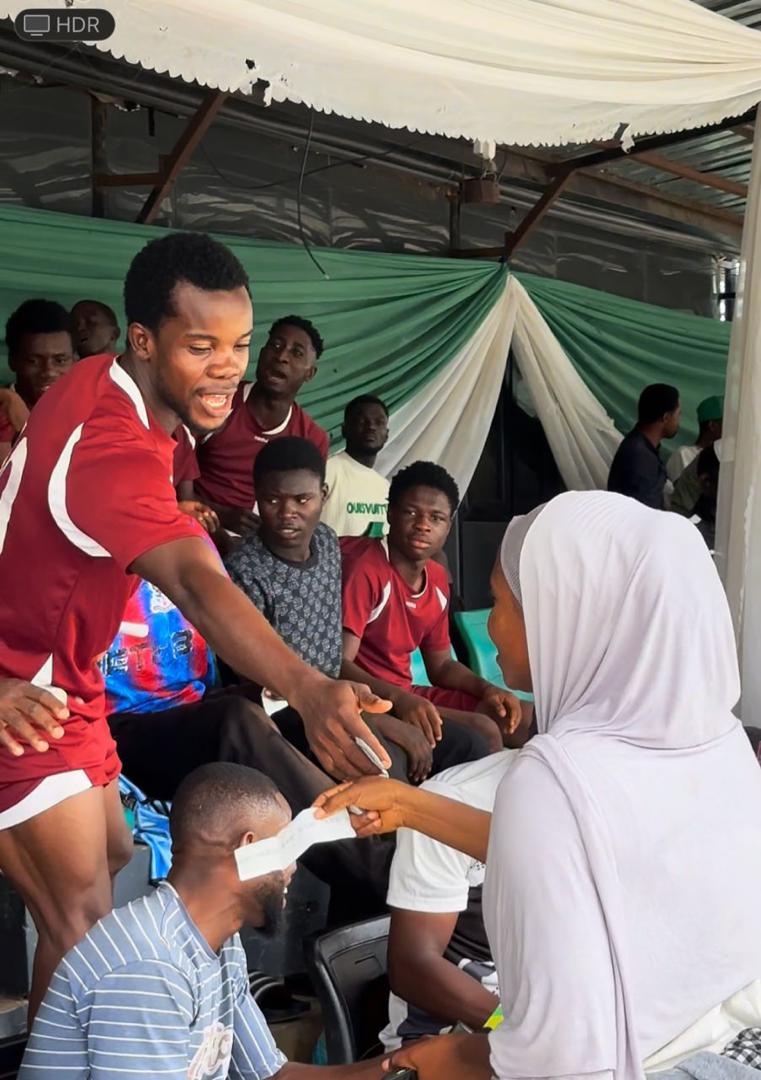
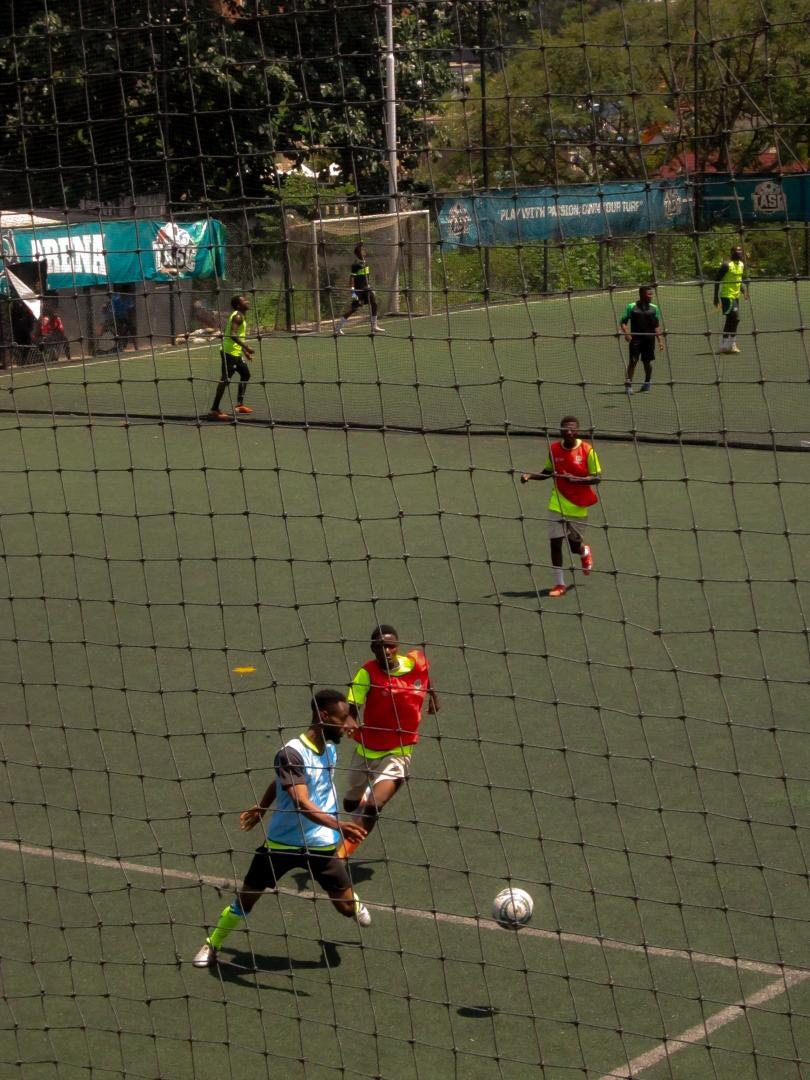
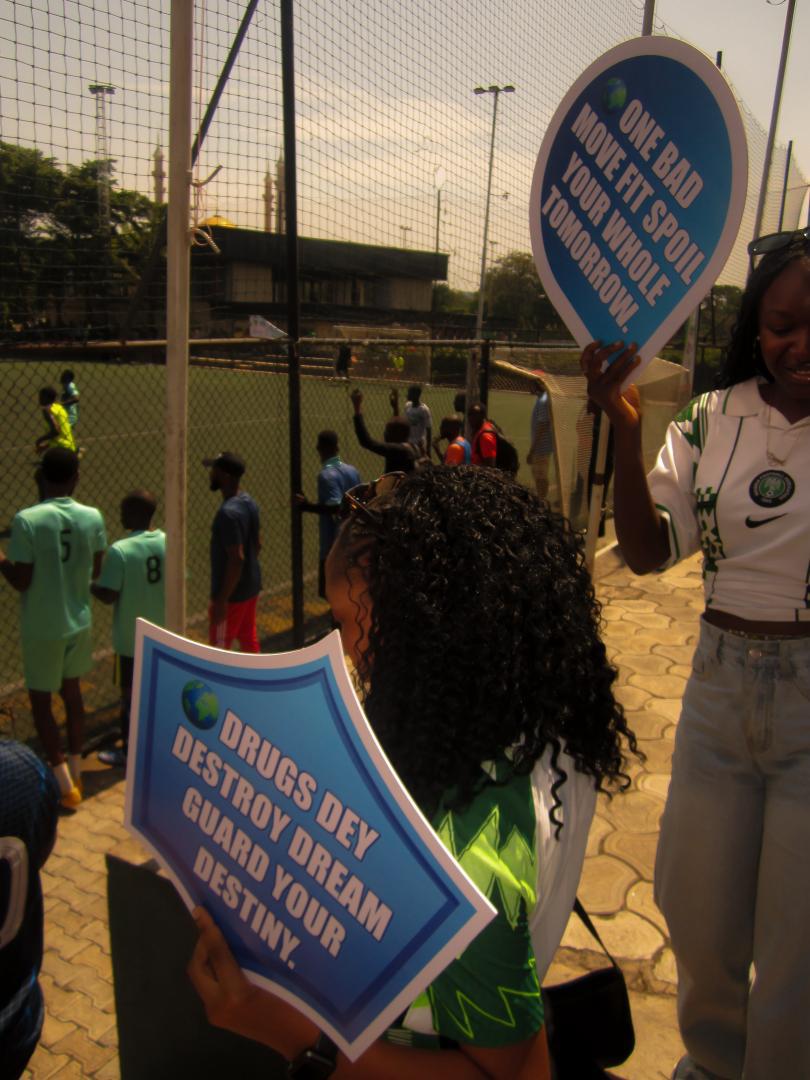
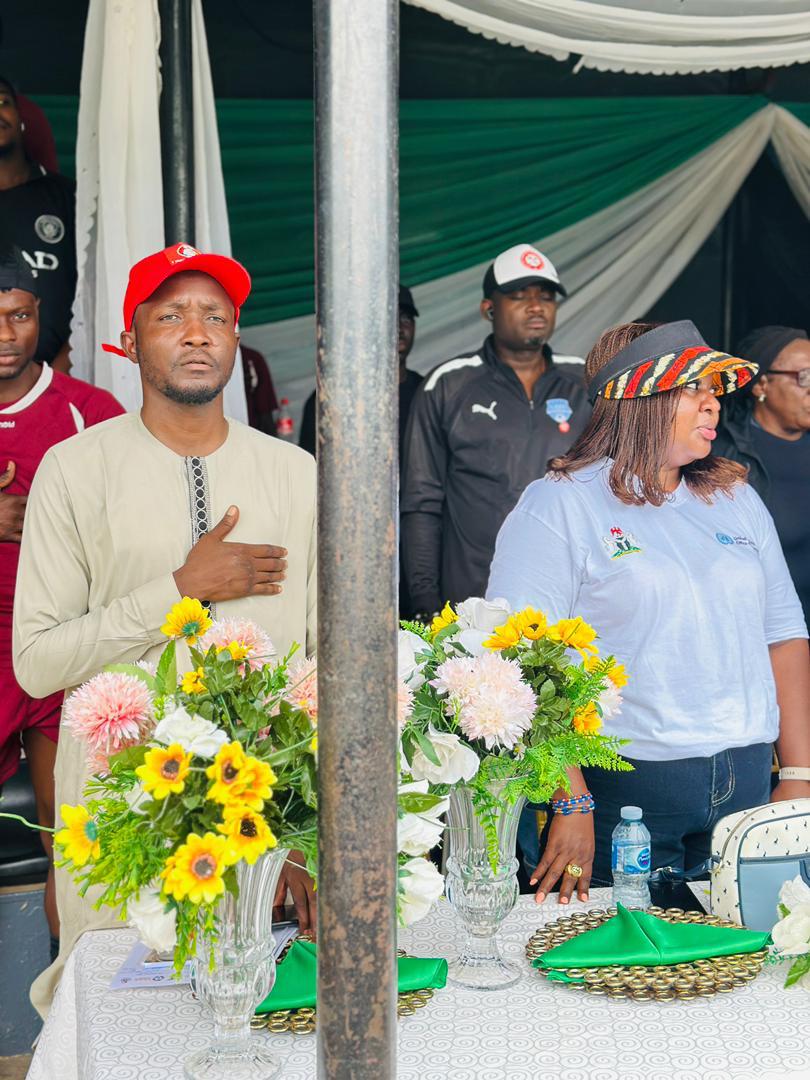
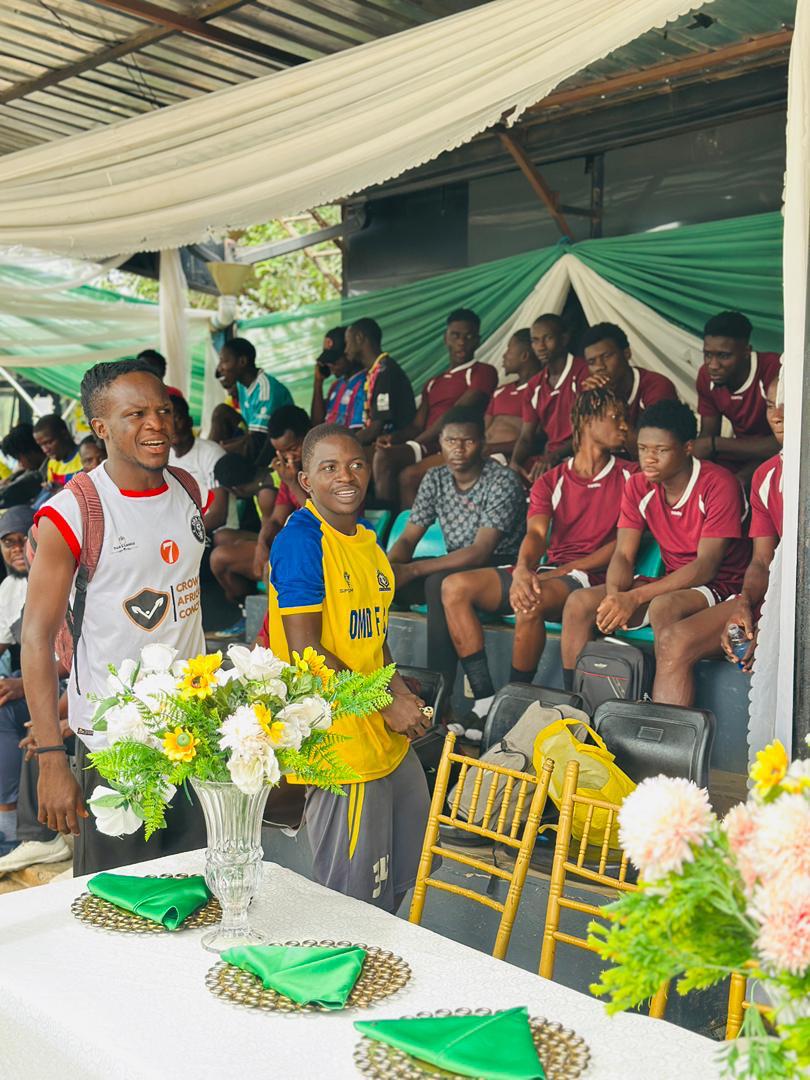
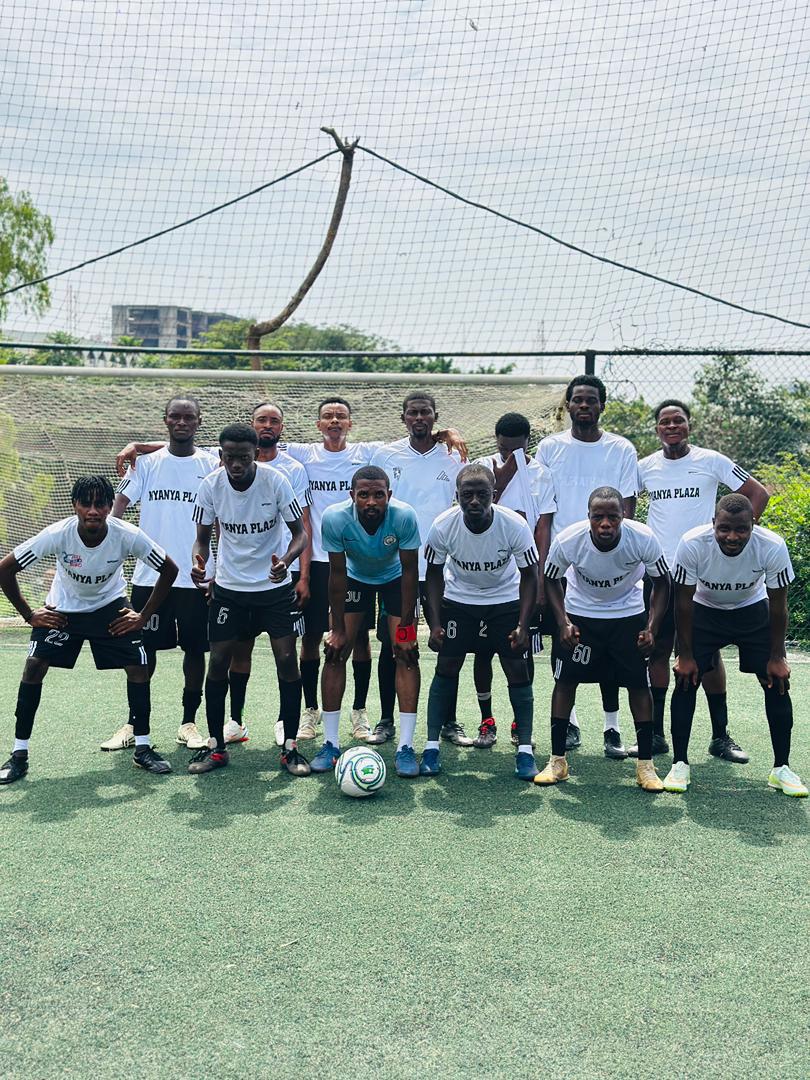
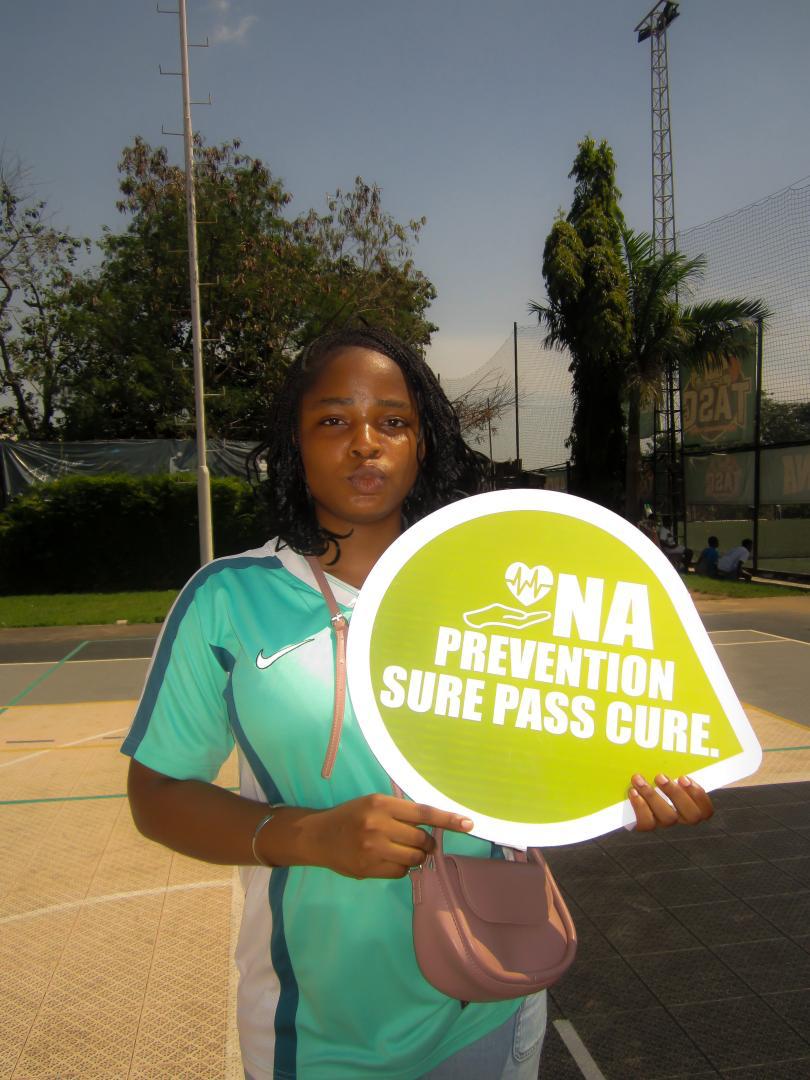
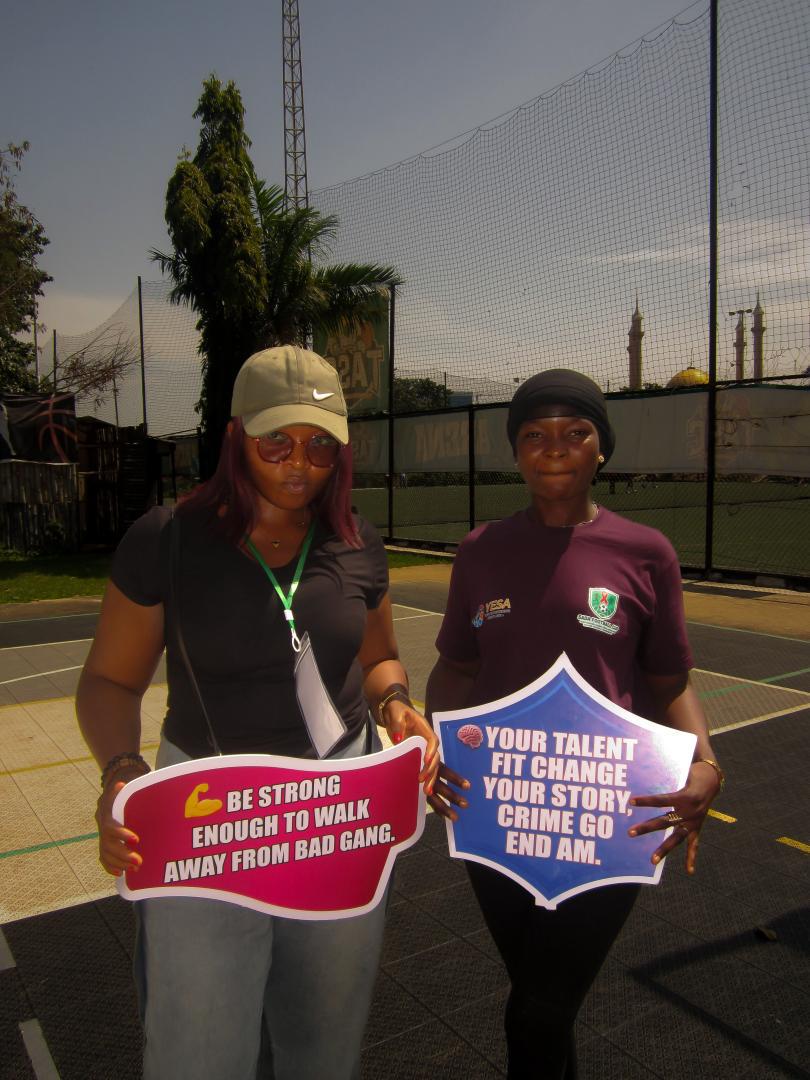
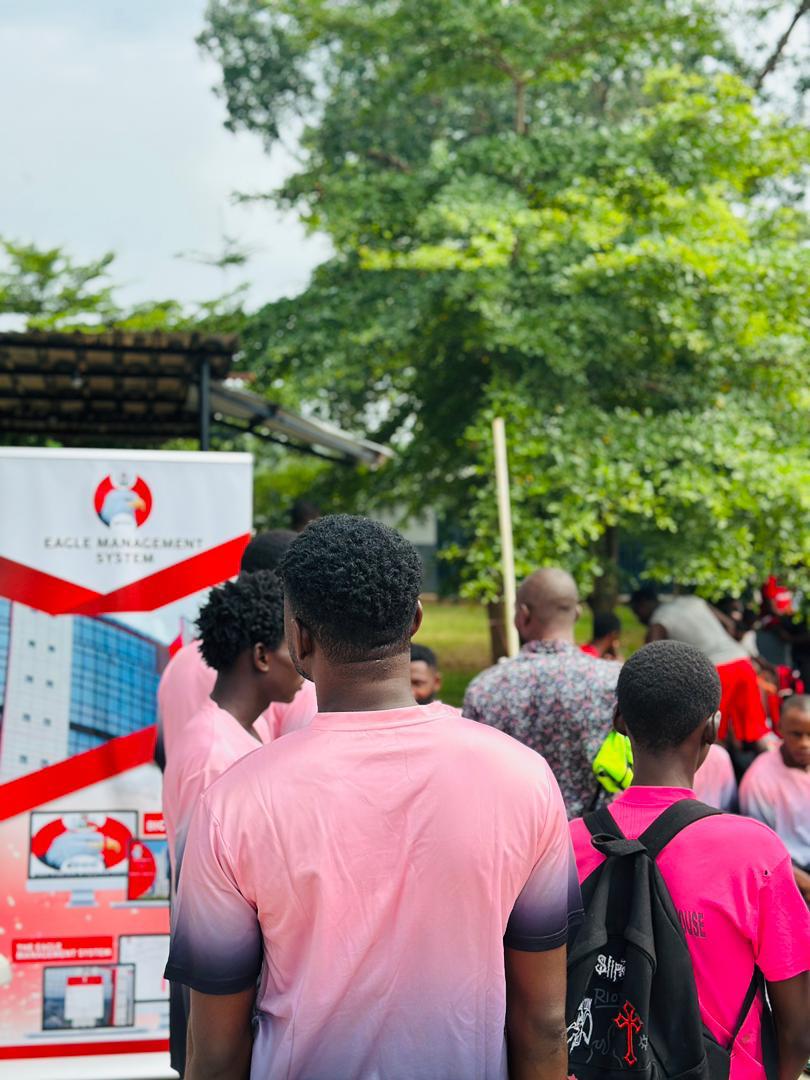
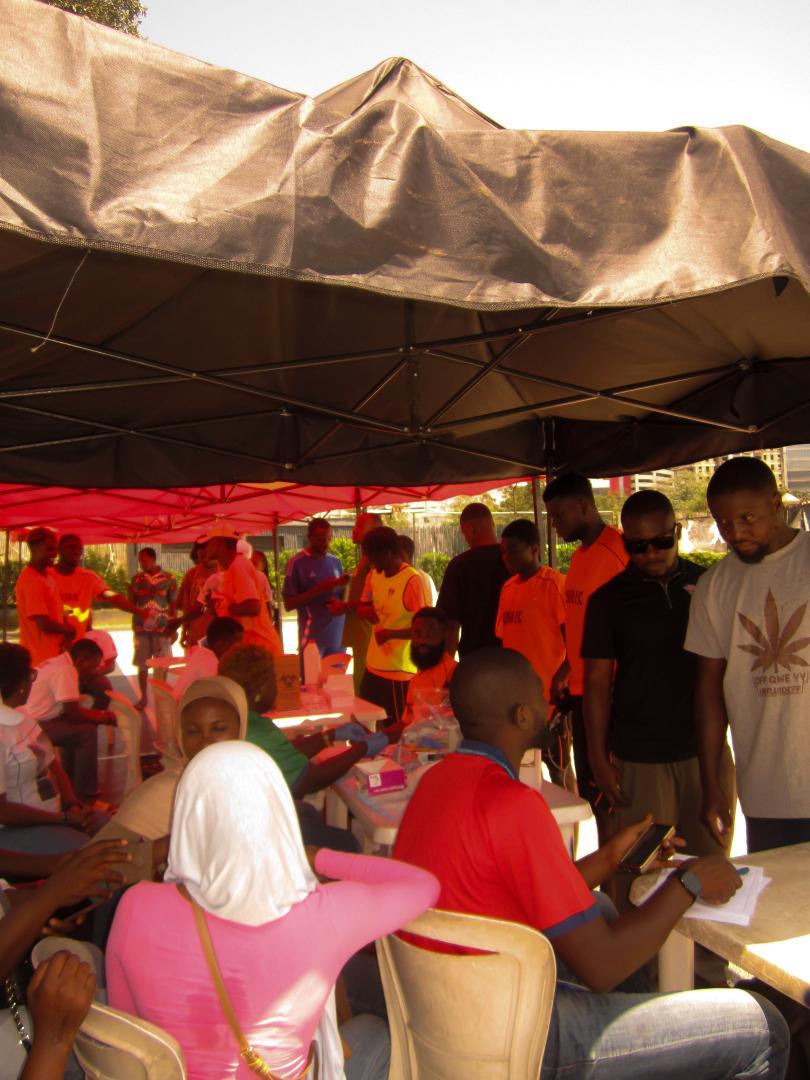
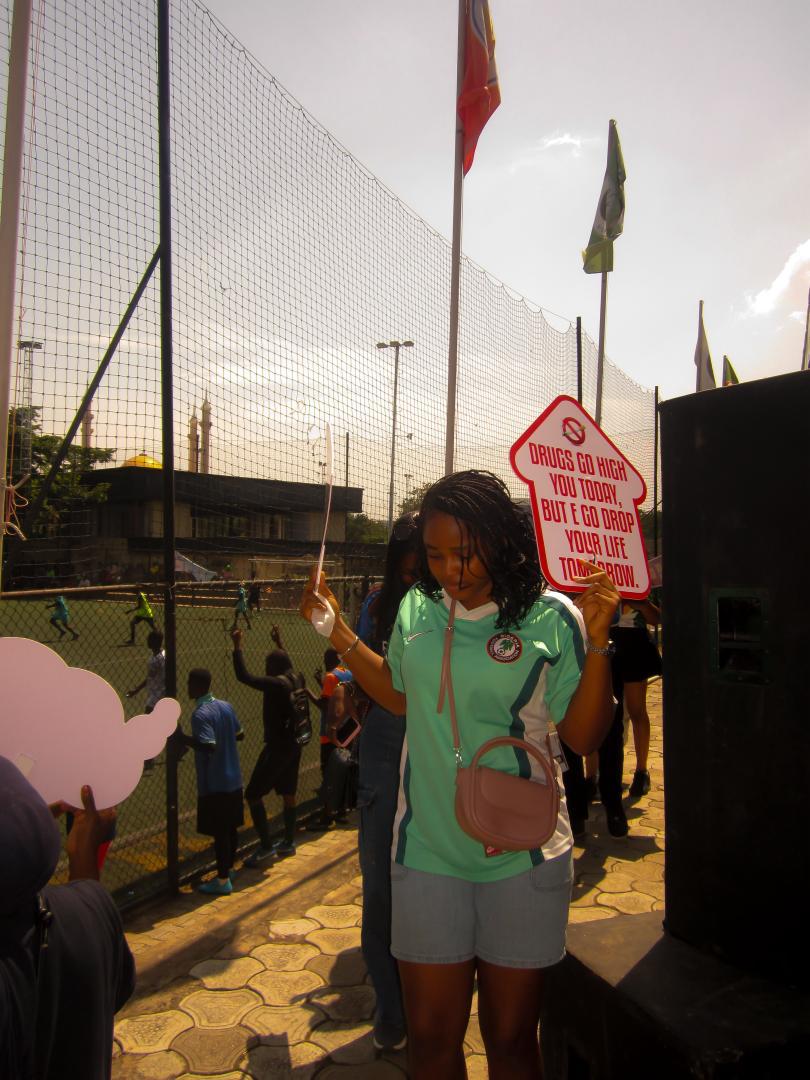
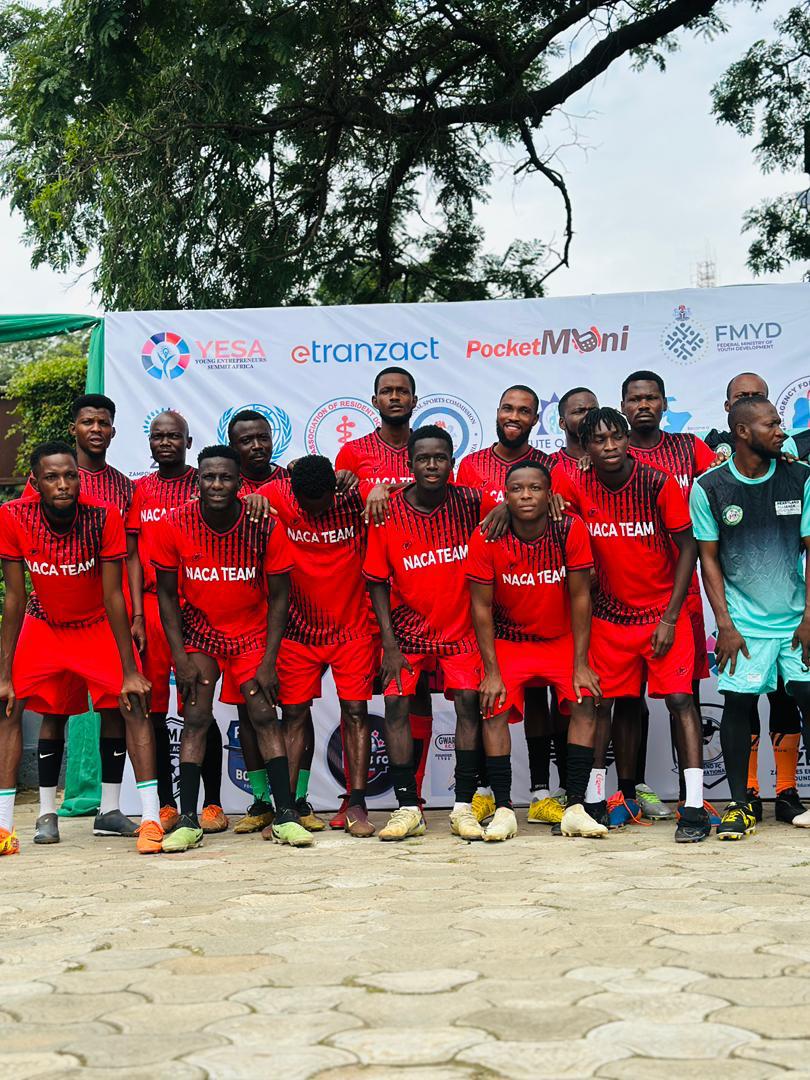
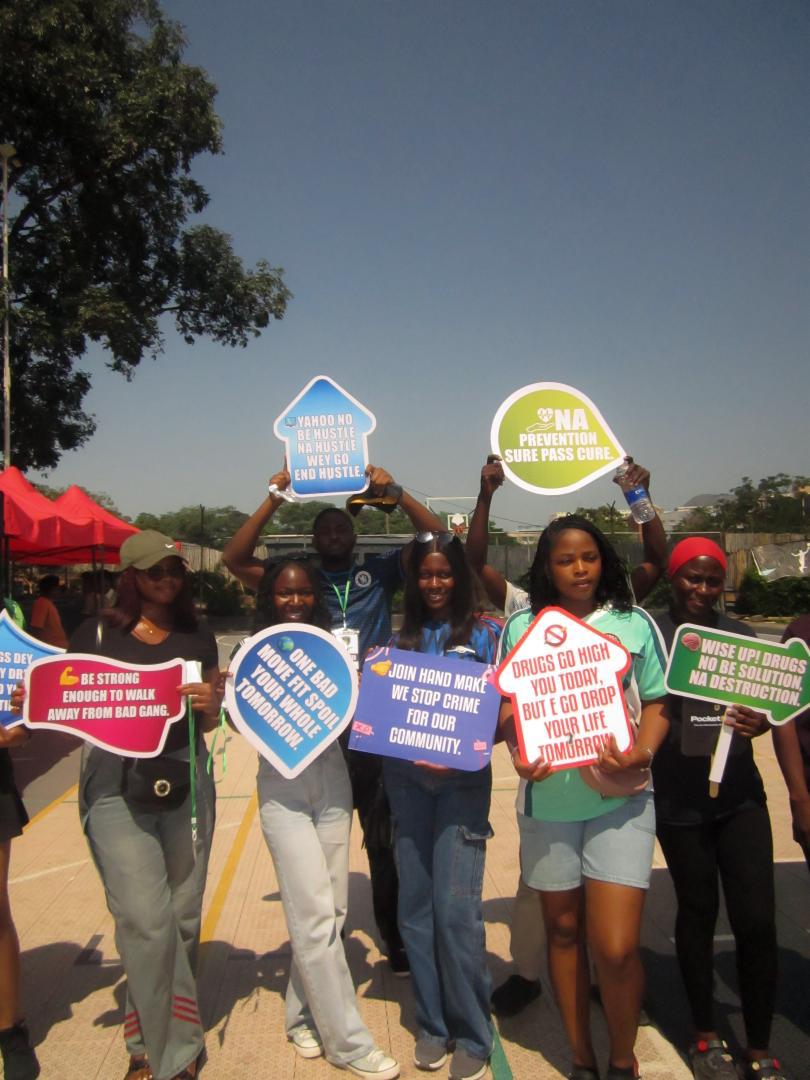
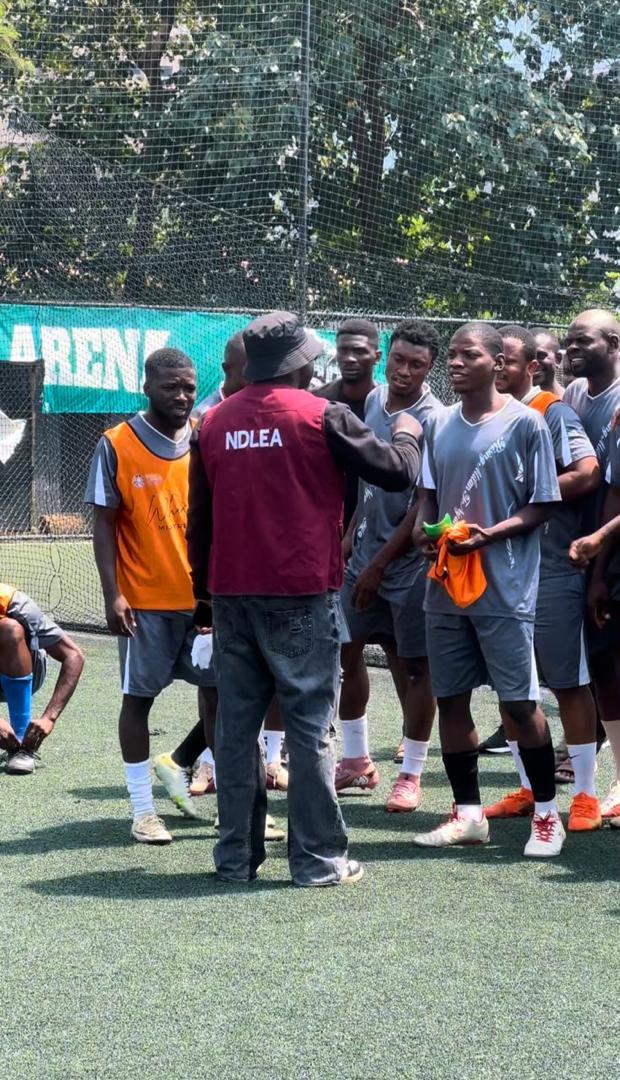
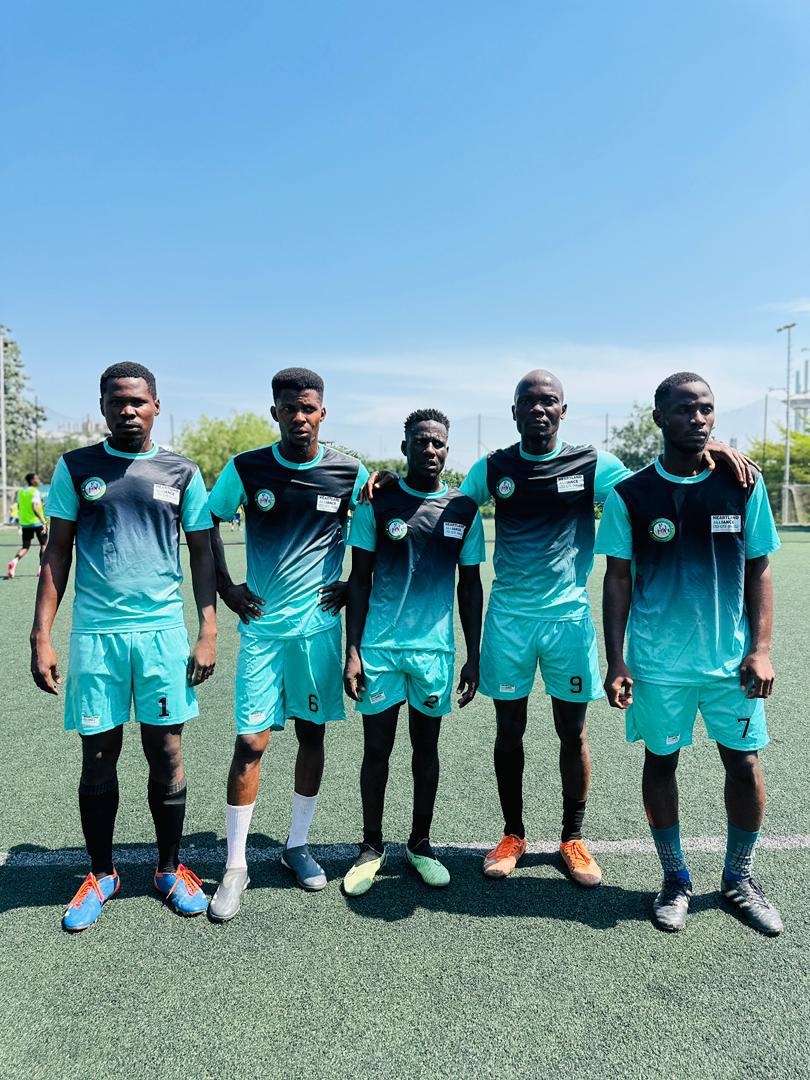
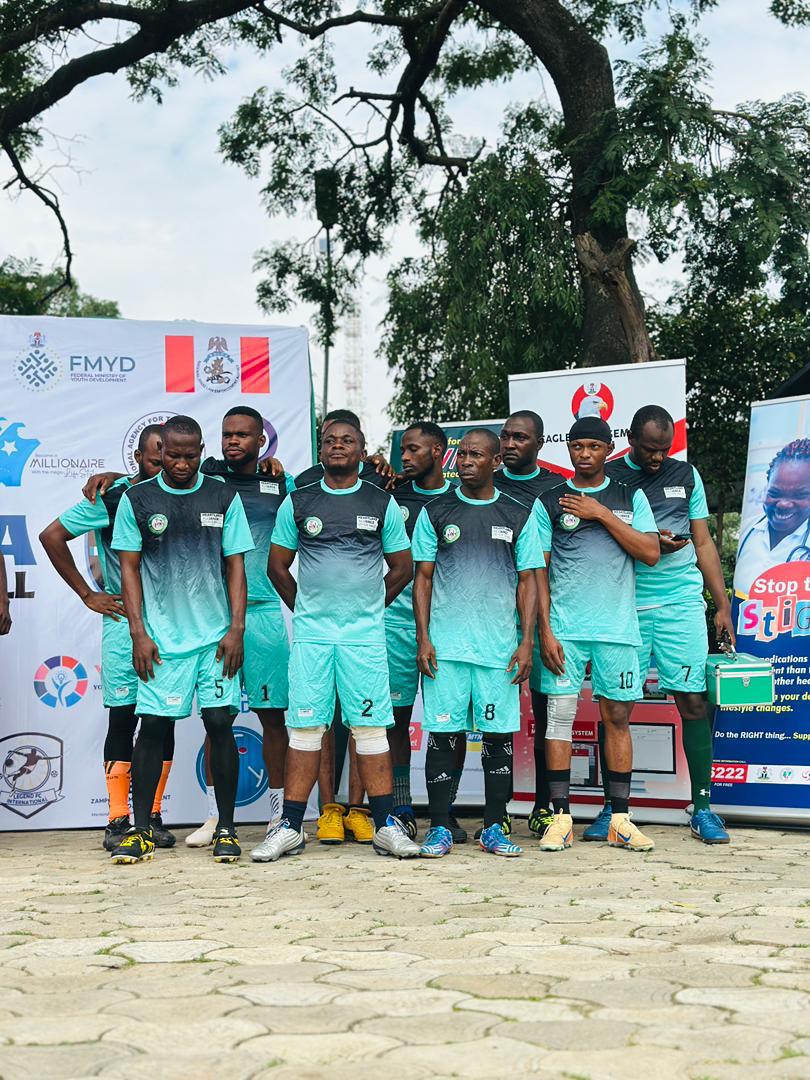
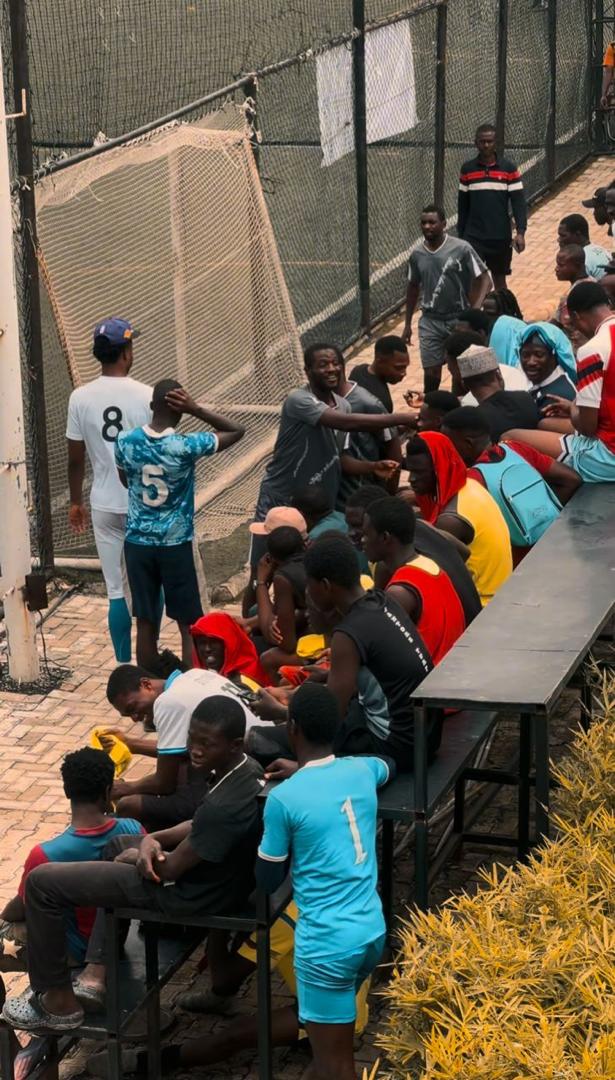
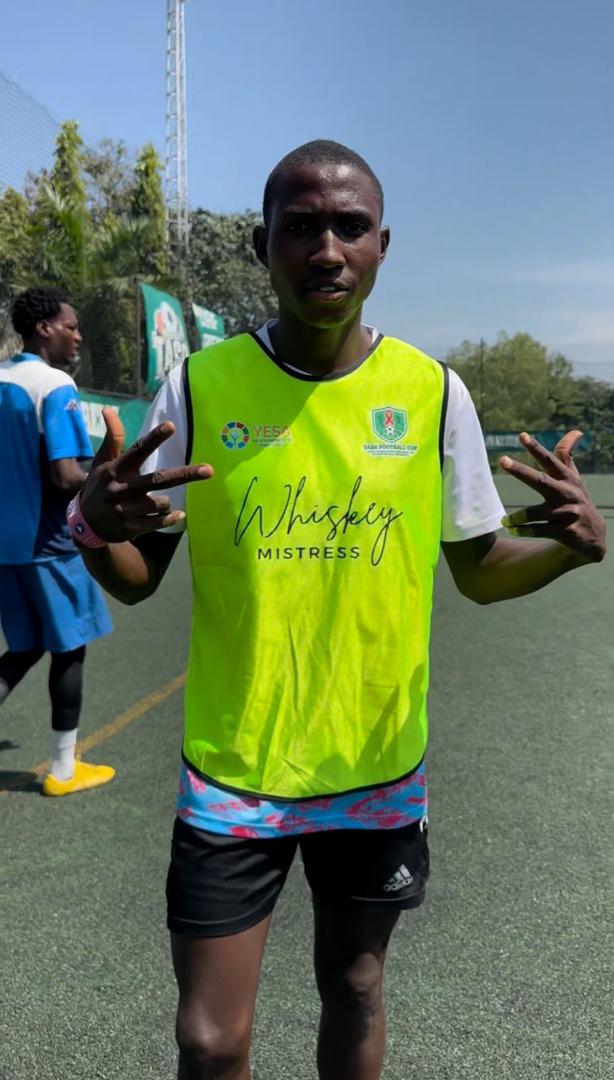
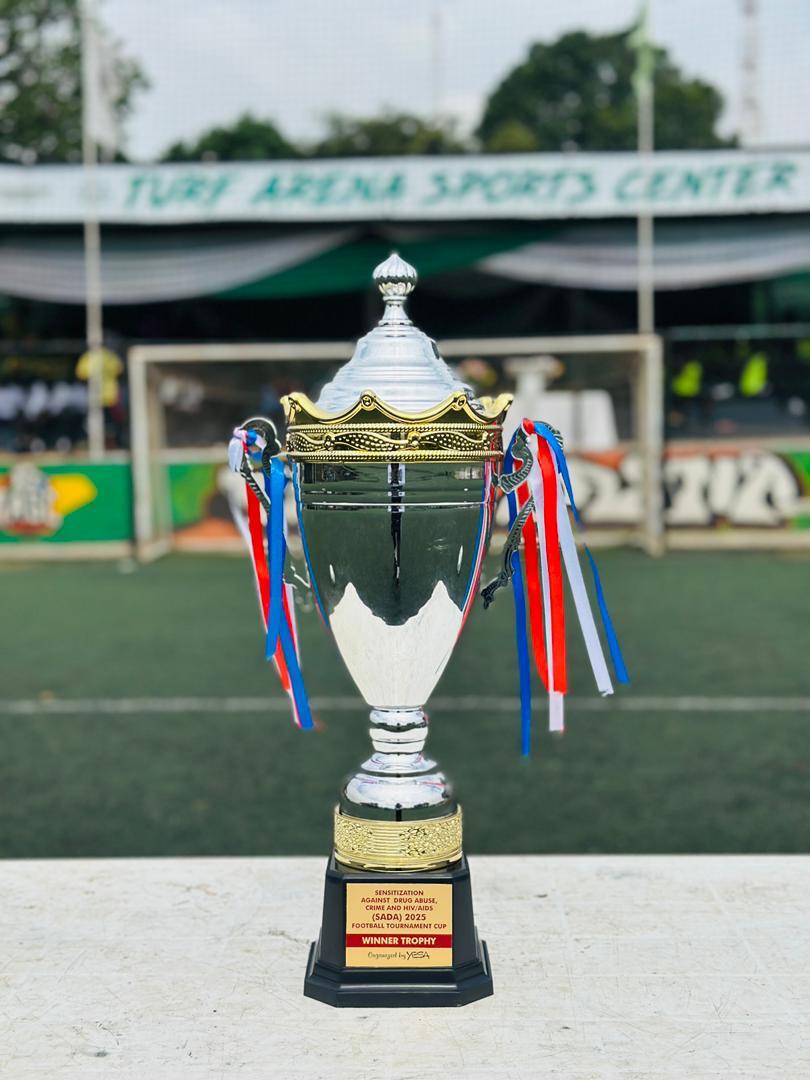
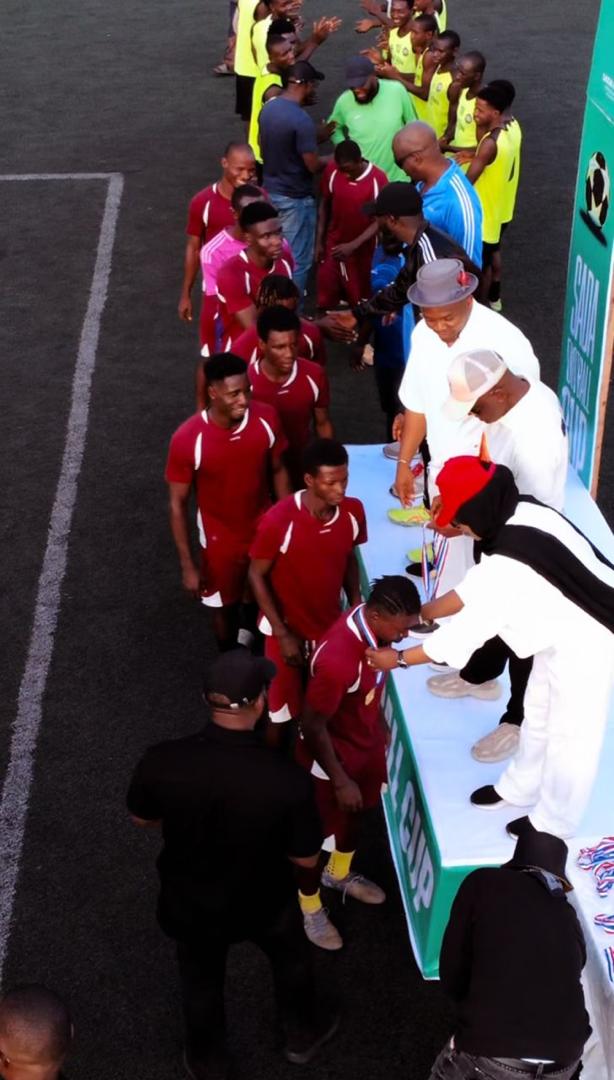
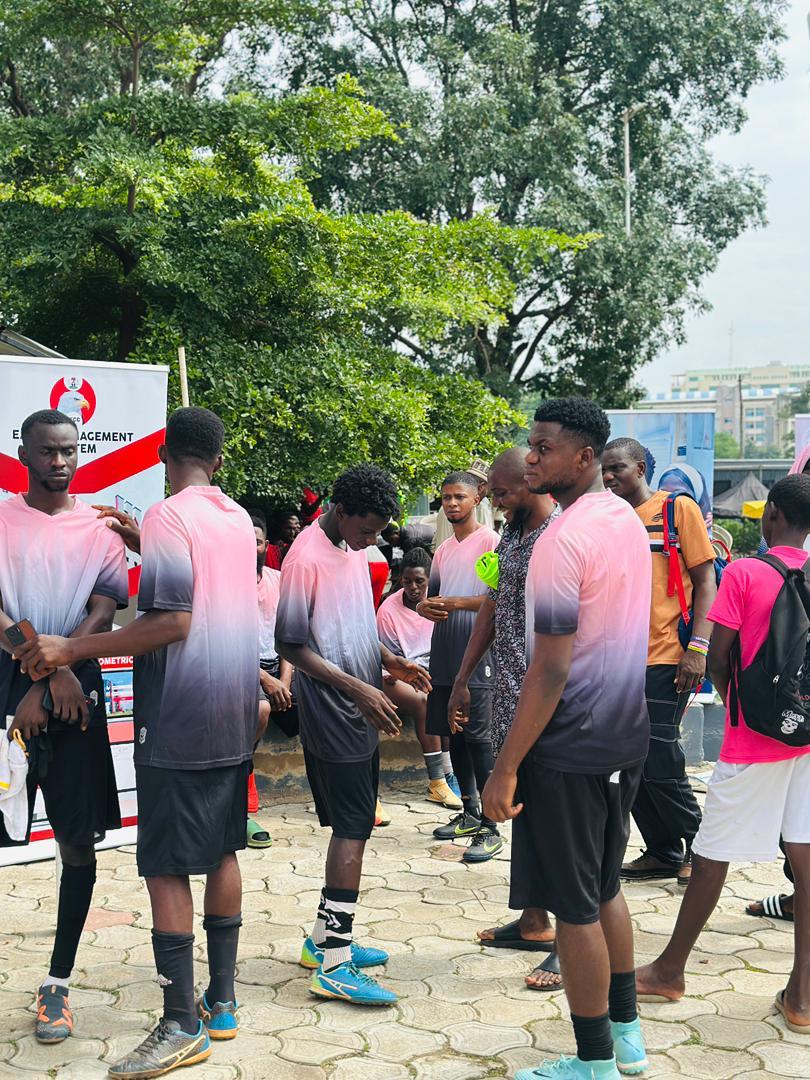
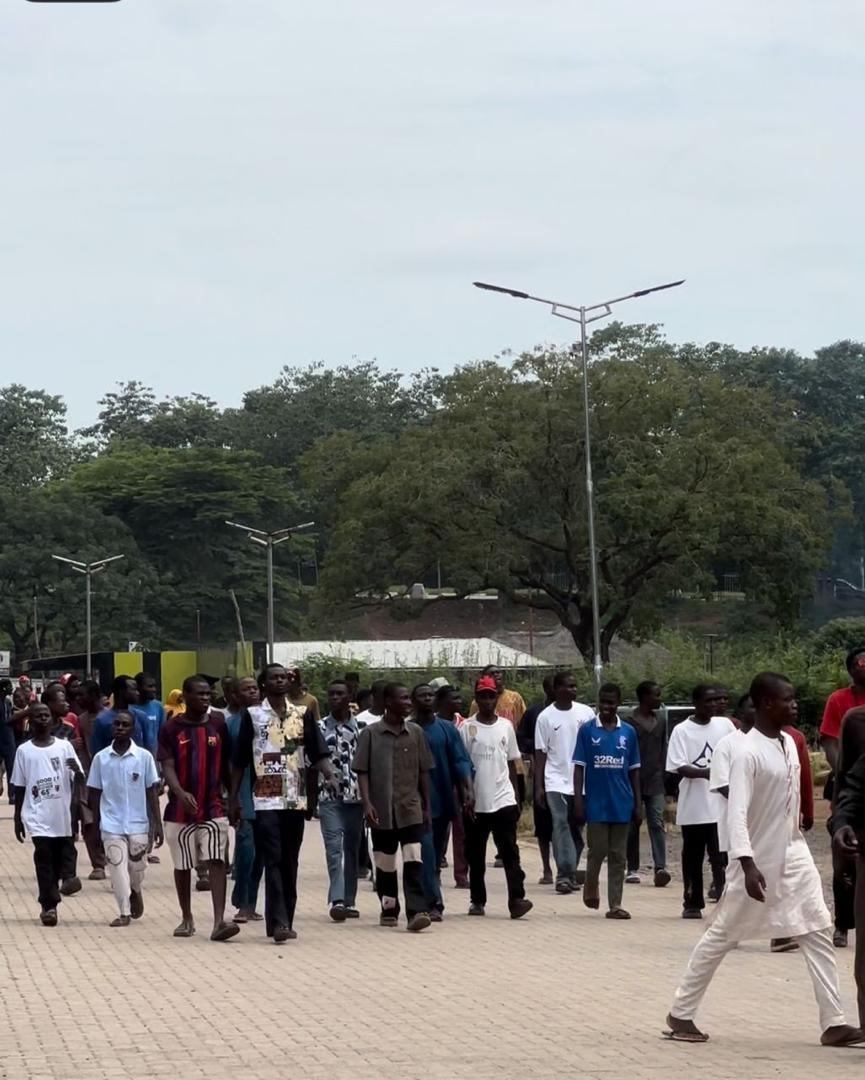
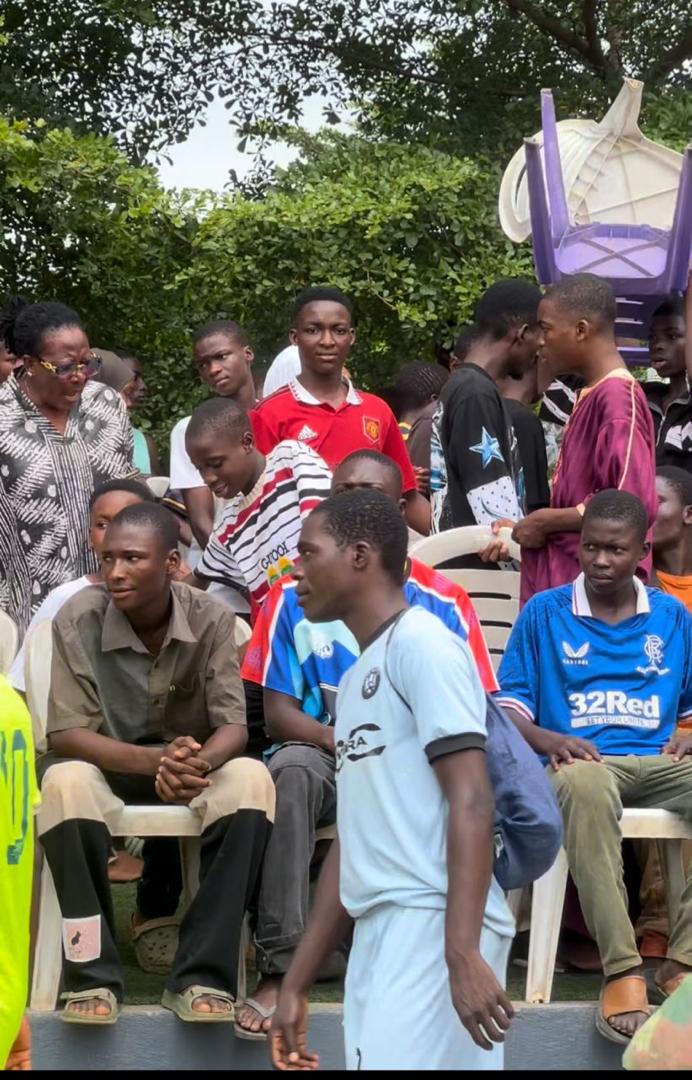
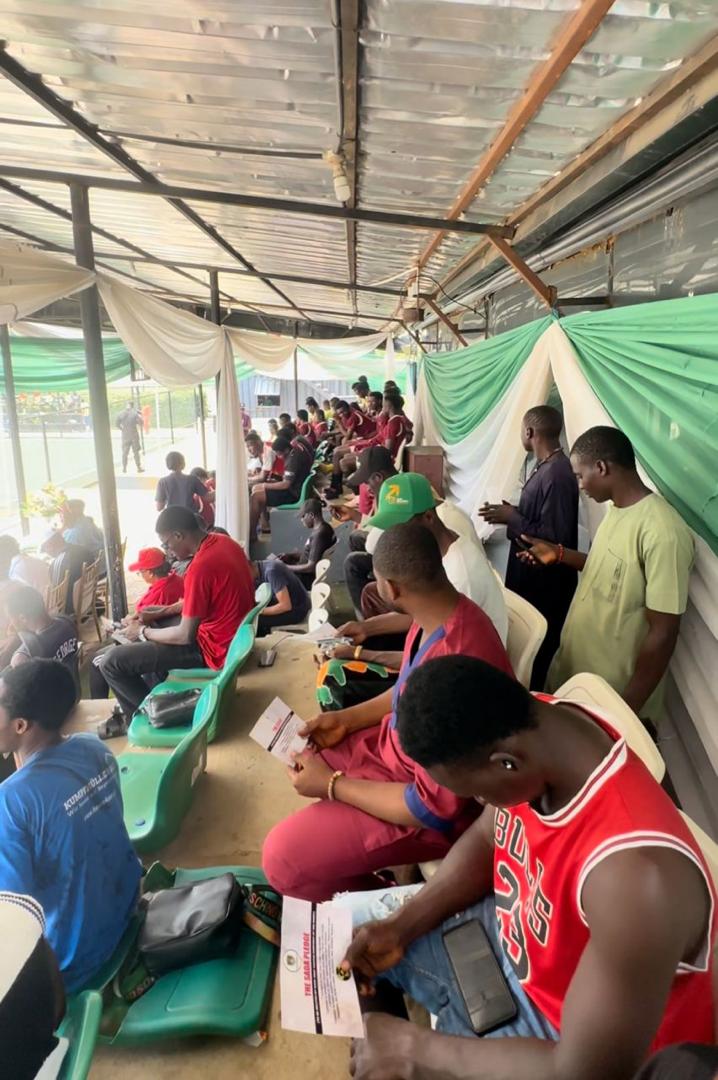
The SADA Football Tournament 2025 was a model of effective coordination, discipline, and professionalism. Despite hosting over 3,000 attendees and 300 players, the event recorded zero incidents of violence or disorder throughout its three days.
A detailed event management framework was established by the YESA Organizing Committee, which included the following measures:
• Deployment of trained volunteer marshals and security personnel in
collaboration with community police units to maintain order and crowd control.
• Implementation of clear entry and exit protocols, ensuring safety and smooth movement of spectators, players, and health workers.
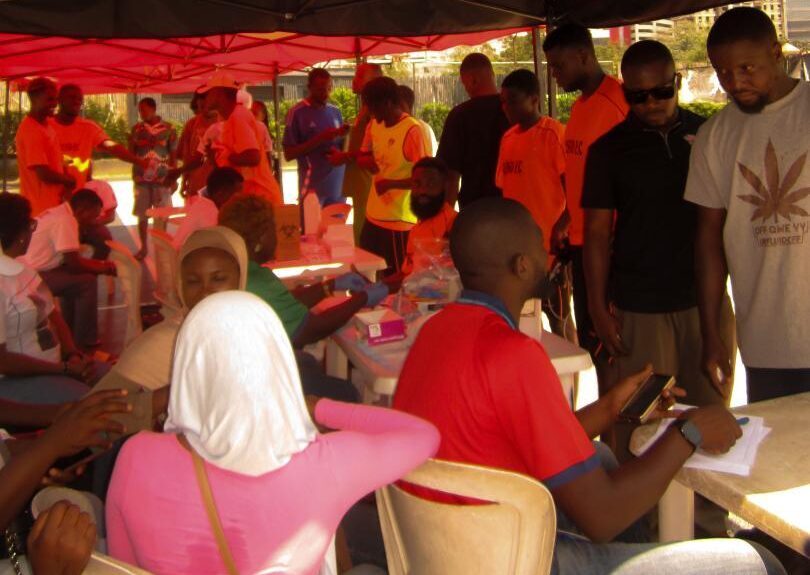
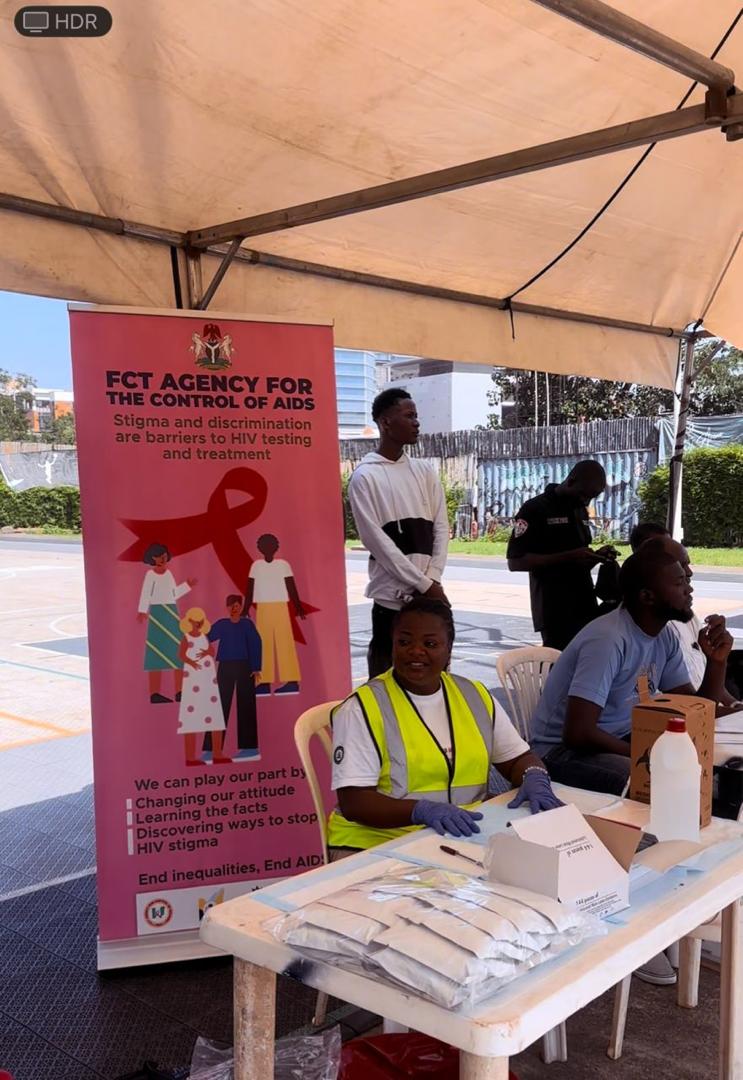
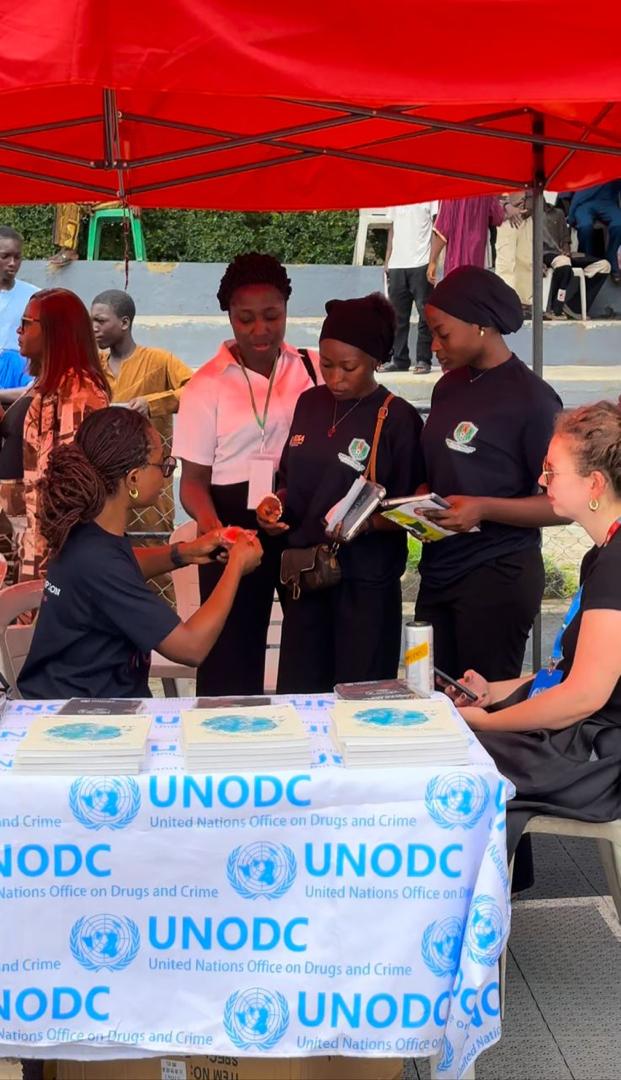
• Establishment of a medical response unit on-site for first aid and emergencies — although no incidents required intervention.
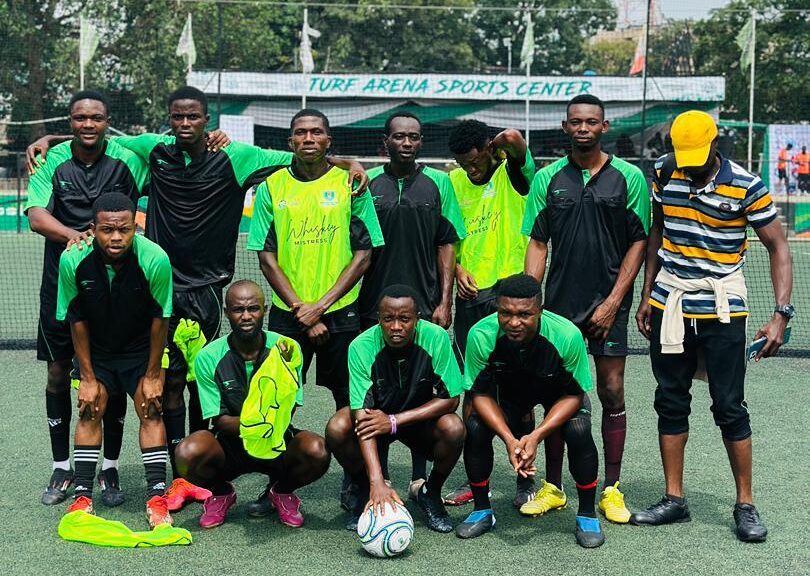
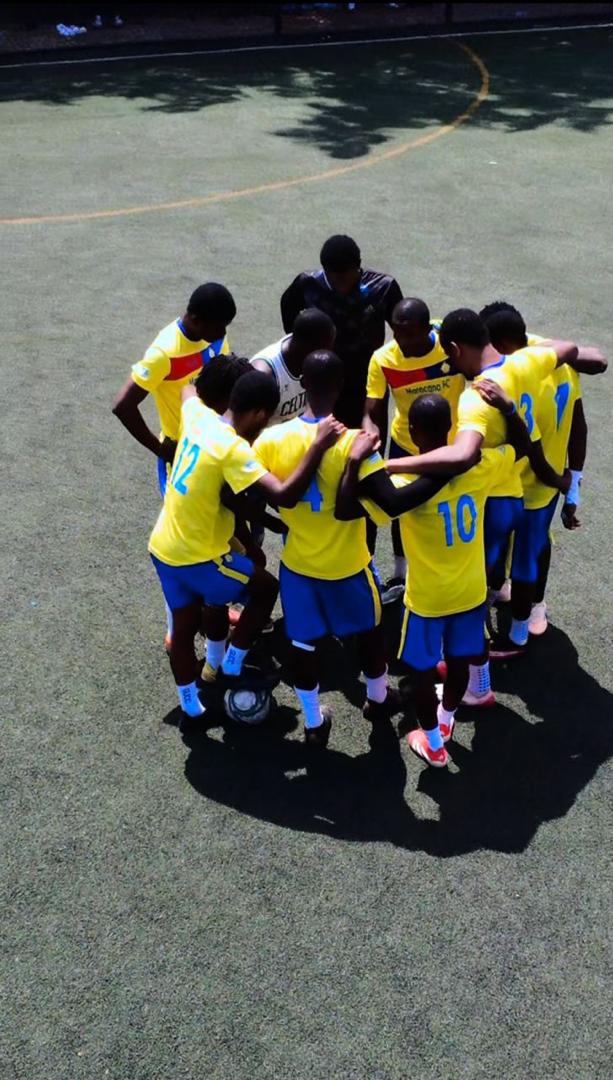
• Proper scheduling and coordination of matches, ensuring timely kickoffs, fair play, and respect among teams.
• Provision of adequate refreshment zones, shade tents, and rest areas to ensure comfort for all participants.
These strategies ensured that the entire event was peaceful, inclusive, and youth-friendly, demonstrating the unifying potential of sports when guided by purpose and social advocacy.
The absence of any violent occurrence also strengthened the credibility of YESA as a capable organizer of large-scale youth and community development events — reinforcing trust among stakeholders, security agencies, and sponsors.
While the SADA Football Tournament 2025 achieved remarkable impact, it was
not without significant operational challenges, particularly around funding and sponsorship.
1. Limited Sponsorship and Funding Constraints
The project was 80% self-financed by YESA’s leadership team and dedicated volunteers.
Despite early outreach to various organizations and corporate bodies, many
potential sponsors cited budget constraints, especially due to:
• The short notice period before the tournament’s scheduled date.
• The end-of-year financial closure, which restricted new funding approvals.
This limited available resources for key components such as:
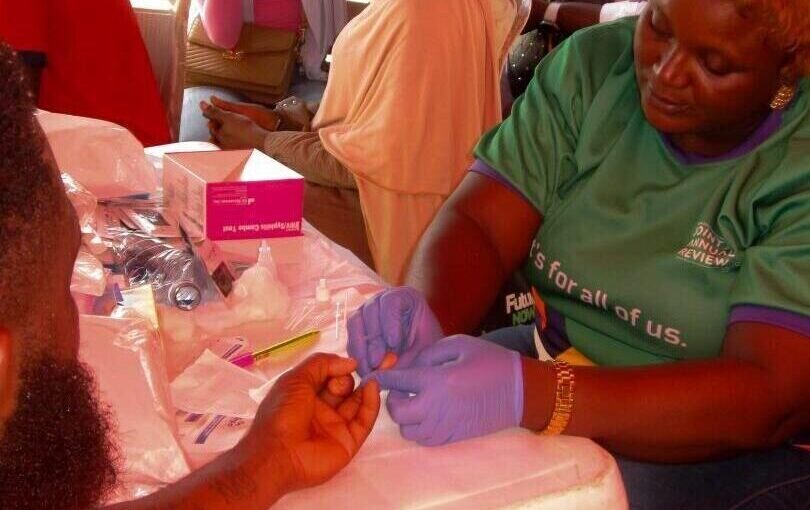
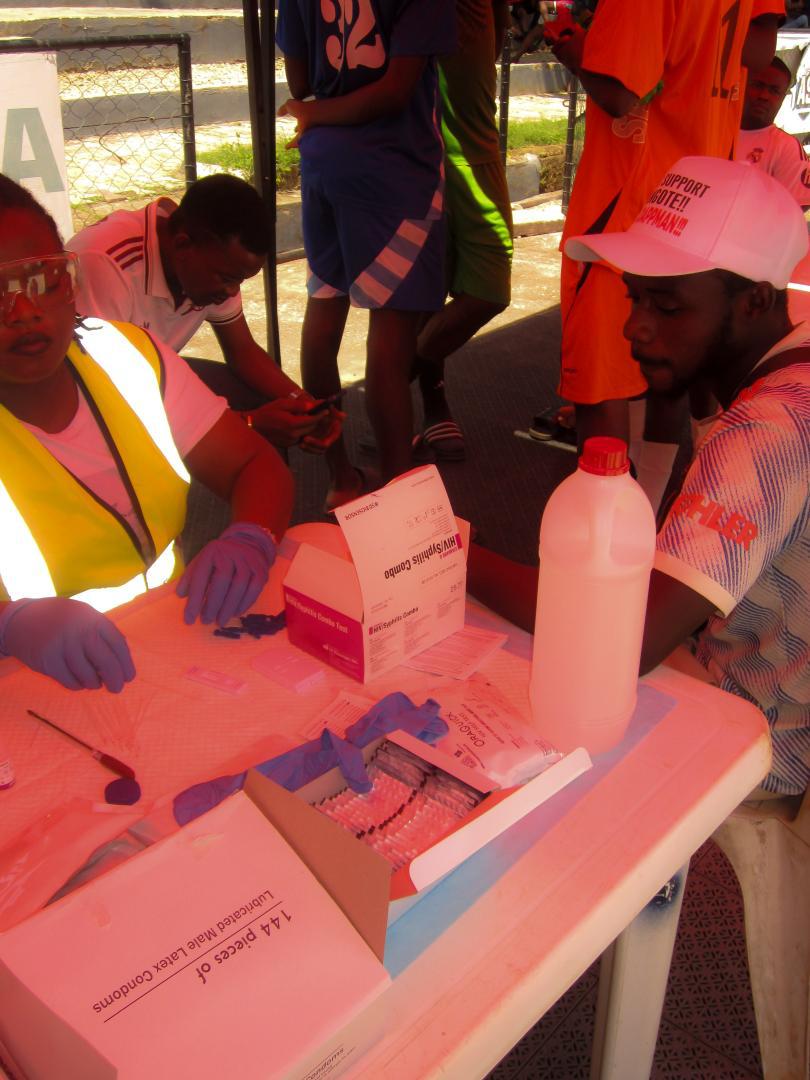
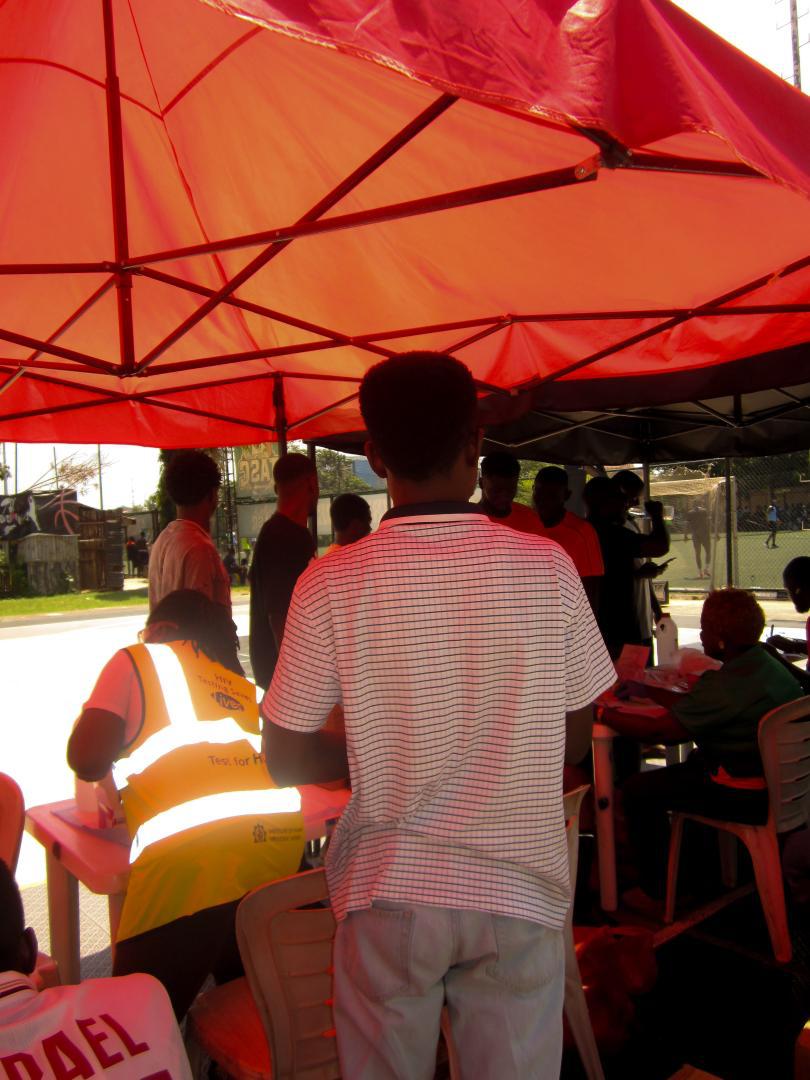
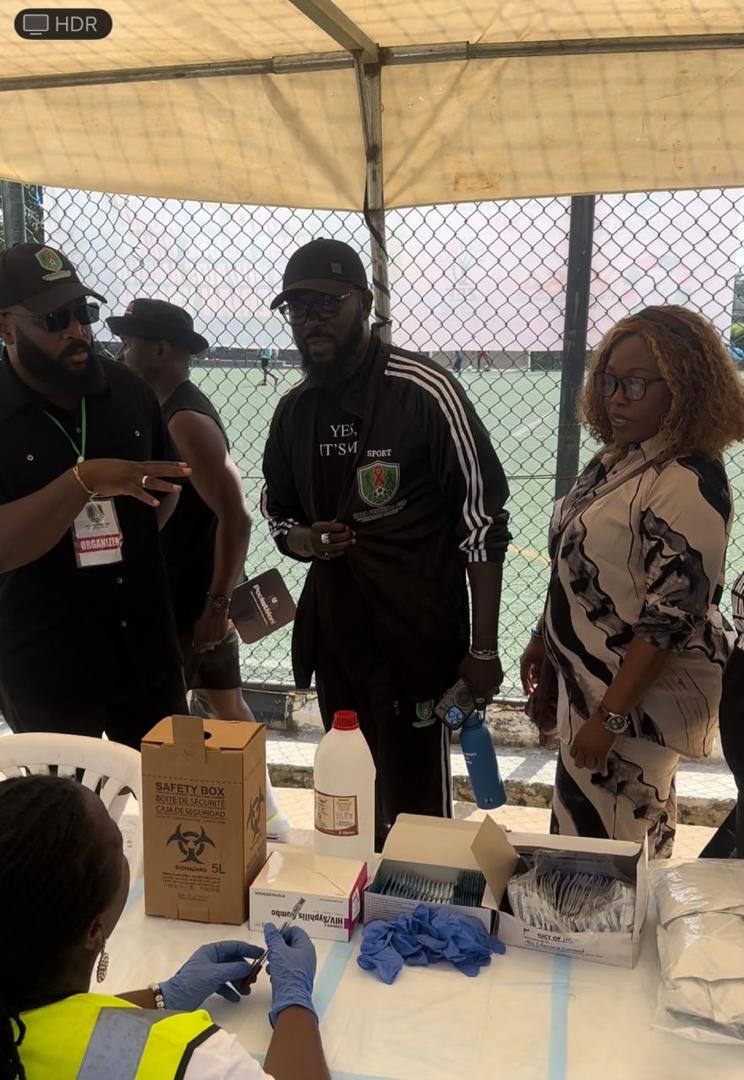
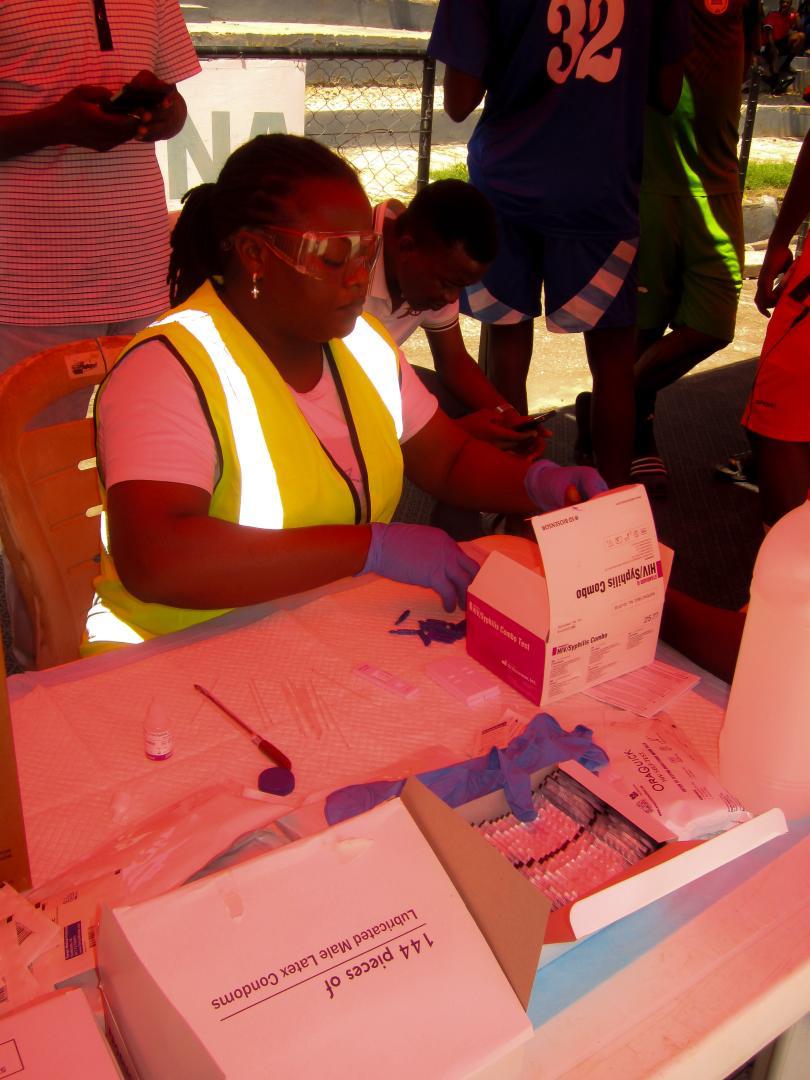
• Scaling up HIV testing booths and medical equipment for wider coverage.
• Extending participation to additional community football teams.
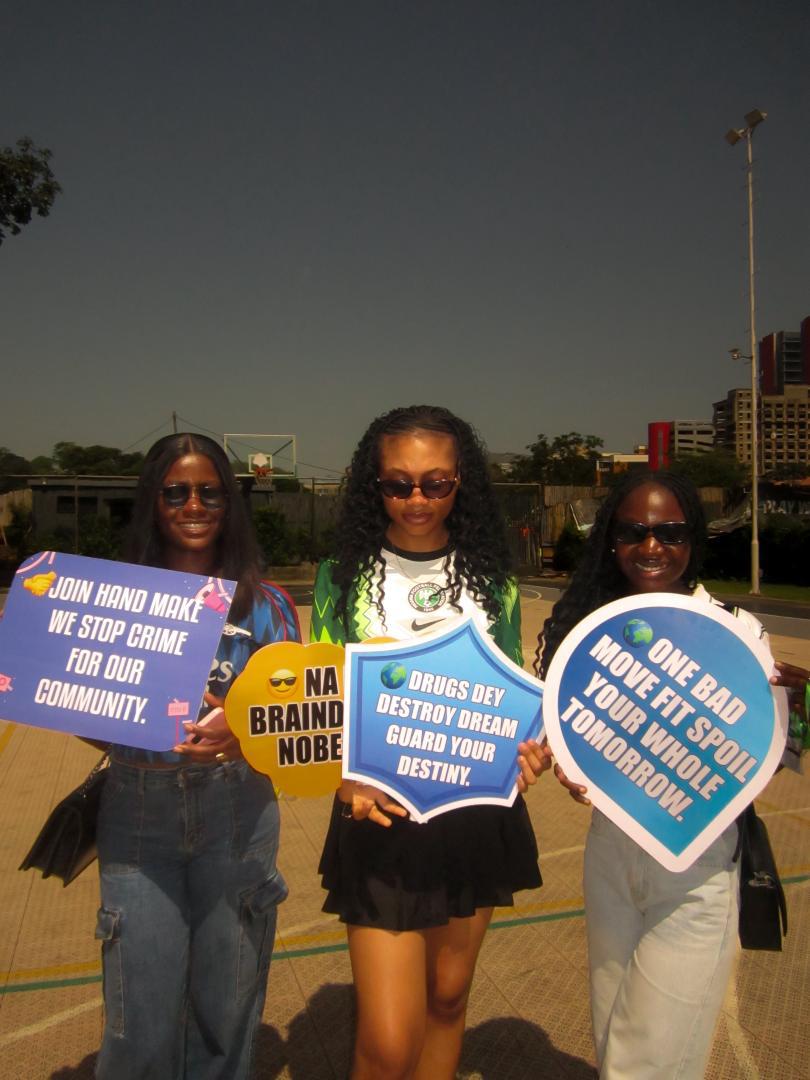
• Expanding the sensitization outreach to more schools and rural youth clusters.
• Enhancing media visibility through broader paid advertising and community mobilization logistics.
2. Logistical and Volunteer Strain
Due to budget limitations, several logistical elements had to be executed through volunteer-driven efforts.
YESA’s team demonstrated exceptional resilience and creativity by mobilizing local support for transportation, equipment, and communication, but these constraints placed additional strain on manpower and time.
3. Missed Partnership Opportunities
Several partner organizations — both governmental and non-governmental — expressed willingness to collaborate in future editions but were unable to participate in 2025 due to limited timelines for budget processing. This highlights the need for earlier event planning and partnership onboarding, ideally 3–4 months before execution.
4. Lessons Learned
The experience reinforced the importance of:
• Early engagement with sponsors and partners to align funding timelines.
• Longer publicity and mobilization periods for broader stakeholder participation.
• Developing a structured sponsorship framework, clearly outlining visibility benefits and CSR alignment opportunities for corporate partners.
• Establishing a SADA Support Fund, which can provide continuity financing for youth empowerment and drug abuse prevention projects beyond single-event cycles.
5. The Way Forward
YESA remains optimistic and committed to building on the achievements and lessons of this year’s event.
Efforts are already underway to garner more institutional and private sponsorship for upcoming projects in 2026, including:
• Expansion of the SADA Cup to four states (Anambra, Kwara, Rivers, and Zamfara).
• Launch of the Guinness World Record “Drug-Free Pledge” Campaign
in Abuja.
• Broader implementation of the ADAAM Mentorship and Empowerment Program, focusing on rehabilitation, vocational training, and economic reintegration for at-risk youth.
By sharing this transparent post-event report and evidence-based outcomes, YESA hopes to inspire confidence among sponsors, government agencies, and international partners, ensuring that future SADA initiatives achieve even greater scale, inclusion, and impact.
Following the outstanding success of the SADA Cup 2025 in the FCT, YESA will advance to Phase 1 of its national expansion strategy in 2026. This phase builds
on insights from post-event impact assessments and baseline community
surveys conducted across six states, highlighting urgent youth-related challenges
in drug use, unemployment, and mental health awareness.
1. Evidence-Based Needs Assessment
Through collaborative community surveys, stakeholder consultations, and data from local NDLEA and NACA offices, YESA identified four major patterns driving youth vulnerability:
• Rising Substance Abuse: Over 37% of respondents (ages 15–30)
admitted to experimenting with or being exposed to substance use.
• Lack of Mentorship & Productive Outlets: 65% of youth surveyed reported having no structured mentorship or access to skill acquisition programs.
• Unemployment & Economic Pressure: 52% of respondents cited financial hardship as a reason peers turn to drugs or petty crime.
10
• Peer Pressure & Mental Health Strain: Increasing social influence, depression, and absence of community engagement increase risk factors.
These findings reinforce the need for multi-dimensional interventions—combining education, sports, mentorship, and entrepreneurship—to mitigate youth vulnerability and strengthen national resilience.